
Would you like to switch to the accessible version of this site?

Go to accessible site Close modal window

Don't need the accessible version of this site?

Hide the accessibility button Close modal window
Accessibility View Close toolbar
Verner Veterinary Clinic

4127 N Luther Rd

Fremont, NE 68025 USA

(402) 727-9900

Open mobile navigation
  • Home
  • New Patient Center
    • What to Expect
    • Veterinary Resources
    • Payment Options
  • About Us
    • Meet Our Team
    • Services
  • Contact Us
  • Pictures/Community Events
  • Community Content
    • Pet Health
      • Chronic Conditions
      • Digestive and Oral Health
      • Diseases and Viruses
      • Pests and Parasites
      • Orthopedics
    • Today's Veterinarian
    • Choosing Your Pet
      • Finding Your Pet
      • Cats
      • Dogs
      • Exotics
        • Amphibians
        • Birds
        • Reptiles
          • Lizards
          • Turtles
      • Small Mammals
        • Ferrets
        • Rabbits
        • Domesticated Animals
          • Prairie Dogs
        • Pocket Pets
          • Chinchillas
          • Guinea Pigs
          • Hamsters
          • Hedgehogs
          • Rats
      • Livestock
        • Cows
        • Donkeys, Horses & Mules
        • Goats
        • Pigs
        • Poultry
        • Sheep
    • Living With Your Pet
      • Bringing Your Pet Home
      • Children and Pets
      • Providing Care
      • Travel
      • Saying Goodbye
    • Newsletter Library
      • Cats
      • Tips for Pet Owners
      • Behavior & Training
      • Fleas & Parasites
      • Keeping Pets Healthy
      • Recognizing Illness
      • Nutrition & Food
      • Pet Dangers
      • Seasonal Topics
      • Visiting the Vet
      • Equine
      • Newsletter Archive
        • Fun with Pets
        • Unbelievable Pets
    • Video Newsroom
      • Health Topics
      • Technology and Science
      • Other Interests
    • Newsletter Library
    • Client Survey
    • Pets4Kids
  • Home >
  • Articles >
  • Newsletter Library >
  • Nutrition & Food >
  • Cooking for Your Pets

Cooking for Your Pets

  • Created in Newsletter Library, Nutrition & Food
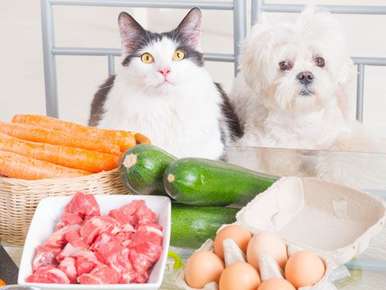
image of cat and dog looking at food

Read the back of a pet food bag and you will see a long lists of ingredients that features a variety of preservatives and fillers. While these ingredients may keep the food fresh, they are not always good for your pet. Luckily, you will find plenty of dog and cat food recipes on the Internet that will help you ensure that your pet's meals are healthy and nutritious. Before you turn on the stove and create a gourmet meal for your pet, keep these things in mind.

A Homemade Diet Can Help Improve Your Pet's Health

Homemade diets may be helpful if your pet suffers from gastrointestinal problems, allergies, skin conditions, and urinary tract problems. Although many manufacturers make food specifically formulated for pets with medical conditions, some cats and dogs don't like the taste of these products. Before you change your pet's diet, check with your veterinarian first to ensure that the proposed diet is safe your cat or dog.

Homemade Meals Can Tempt Reluctant Eaters

Old or ill animals may turn their noses up at the commercially prepared foods they have always enjoyed in the past. Pet owners often spend considerable time and money trying new brands and pleading with their furry friends to give a new type of food a try. Once pets decide that they will not eat particular foods, it's hard to change their minds. Offering home-cooked meals, such as chicken and rice, may convince them to eat again.

Human Food Doesn't Always Contain All of the Nutrients Your Pets Need

If you are not careful, you could actually hurt your pet's health, rather than improve it, when you prepare homemade meals. Commercial pet foods contain added nutrients that pets need to stay healthy, such as zinc, iron, and calcium. Home-cooked meals may not contain these nutrients or may not feature enough of them. If your pet's diet is lacking, the health consequences can be severe. Anemia, broken bones, and tooth loss are common in animals that do not receive needed nutrients. Adding supplements to the foods you prepare can prevent these conditions.

Cats need a diet high in taurine, an amino acid that keeps their heart, retinas, nervous system, gallbladder, muscle, and bones healthy. Although taurine is found naturally in shellfish, sardines, salmon, poultry dark meat, and eggs, cooking decreases the amount of the amino acid in these foods. Adding a taurine supplement to your cat's meals will help ensure that your pet receives the full benefit of this important nutrient.

Think Carefully Before Feeding Your Pet a Raw Diet

Animals eat raw food in the wild, so why not offer them a raw diet? Unfortunately, raw or undercooked meat can be contaminated with salmonella, E. coli, listeria, camployobacter, and other bacteria and pathogens that can sicken your pet.

The American Veterinary Medical Association recommends avoiding a raw food diet. In fact, the association released a statement advising pet owners that it discourages feeding cats and dogs any animal-source protein that has not first been cooked or pasteurized to destroy pathogenic organisms. Feeding your pet raw meat from road kill or animals that have been hunted also isn't recommended.

Dos and Don'ts of Cooking for Pets

Before you turn on the oven, take a look at these tips for preparing meals for your pet.

Ask Your Veterinarian to Review Your Recipes. Share recipes with your veterinarian to ensure that they contain the recommended proteins, nutrients and calories. If your veterinarian is concerned that the diet is not appropriate for your pet, he or she may refer you to a pet nutritionist who can help you choose tasty, healthy recipes.

Do Not Make Changes to Recipes. It's very important to follow dog and cat food recipes exactly, even if they do not sound appealing to you. If you substitute ingredients, your pet may not get all of the nutrients it needs to stay healthy.

Reduce Meal Preparation Time. After a long day at work, you may not feel like making dinner. While a takeout pizza may satisfy the humans in your family, you will still have to cook for your pet. Reduce the time you spend on food preparation by conducting a marathon cooking session during the weekend. Freeze the meals and reheat them during the week to save time.

Avoid Foods That Can Make Your Pet Sick. Foods that you enjoy can be toxic to pets. Don't feed your furry friends onions, garlic, chocolate, raisins, macadamia nuts, walnuts, or avocados.

Sources:

The New York Times: A Sniff of Home Cooking for Dogs and Cats, 1/18/11

http://www.nytimes.com/2011/01/19/dining/19pets.html?pagewanted=all&_r=0

PetFinder: Home-Cooked Dog Food Diets

https://www.petfinder.com/dogs/dog-nutrition/home-cooked-dog-food-diets/

PetMD: Another Danger of Homemade Dog Food, 9/25/15

http://www.petmd.com/blogs/nutritionnuggets/dr-coates/2015/september/another-danger-homemade-dog-food-33222

AVMA: Raw or Undercooked Animal-Source Protein in Cat and Dog Diets

https://www.avma.org/KB/Policies/Pages/Raw-or-Undercooked-Animal-Source-Protein-in-Cat-and-Dog-Diets.aspx

WebMD: Make Homemade Dog Food

http://pets.webmd.com/dogs/guide/homemade-dog-food

  • Pet Health
    • Chronic Conditions
    • Digestive and Oral Health
    • Diseases and Viruses
    • Pests and Parasites
    • Orthopedics
  • Today's Veterinarian
  • Choosing Your Pet
    • Finding Your Pet
    • Cats
    • Dogs
    • Exotics
      • Amphibians
      • Birds
      • Reptiles
        • Lizards
        • Turtles
    • Small Mammals
      • Ferrets
      • Rabbits
      • Domesticated Animals
        • Prairie Dogs
      • Pocket Pets
        • Chinchillas
        • Guinea Pigs
        • Hamsters
        • Hedgehogs
        • Rats
    • Livestock
      • Cows
      • Donkeys, Horses & Mules
      • Goats
      • Pigs
      • Poultry
      • Sheep
  • Living With Your Pet
    • Bringing Your Pet Home
    • Children and Pets
    • Providing Care
    • Travel
    • Saying Goodbye
  • Newsletter Library
    • Cats
    • Tips for Pet Owners
    • Behavior & Training
    • Fleas & Parasites
    • Keeping Pets Healthy
    • Recognizing Illness
    • Nutrition & Food
    • Pet Dangers
    • Seasonal Topics
    • Visiting the Vet
    • Equine
    • Newsletter Archive
      • Fun with Pets
      • Unbelievable Pets
  • Video Newsroom
    • Health Topics
    • Technology and Science
    • Other Interests
  • Newsletter Library
  • Client Survey
  • Pets4Kids
No form settings found. Please configure it.

Featured Links

Click to find out more

  • Services

    We strive to provide complete care for our patients. Learn more about all the services we provide.
  • Make an Appointment

    We will do our best to accommodate your busy schedule. Schedule an appointment today!
  • Online Forms

    Our patient forms are available online so they can be completed in the convenience of your own home or office.

Office Hours

Our Regular Schedule

Monday:

8:00 am-12:00 pm

1:00 pm-5:30 pm

Tuesday:

8:00 am-12:00 pm

1:00 pm-5:30 pm

Wednesday:

8:00 am-12:00 pm

1:00 pm-5:30 pm

Thursday:

8:00 am-12:00 pm

1:00 pm-5:30 pm

Friday:

8:00 am-12:00 pm

1:00 pm-5:30 pm

Saturday:

8:00 am-12:00 pm

Sunday:

Closed

Locations

Find us on the map

Testimonials

Read What Our Clients Say

  • "Testimonial Coming Soon!"

Featured Articles

Read about interesting topics

    March Newsletter: How to Keep Your Cat Safe When Outdoors

    Wondering how your cat can safely spend time outdoors? ...

    Read More

    March Newsletter: How to Choose Safe Blankets for Pets

    Do you know how to pick a safe blanket for your pet? ...

    Read More

    February Newsletter: How to Reduce Dental Anxiety in Pets

    Does your pet hate toothbrushing? These tips could reduce dental anxiety. ...

    Read More

    February Newsletter: How to Safely Change Your Cat’s Food

    Buying a new food for your cat? Find out how to switch foods safely. ...

    Read More

    January Newsletter: Signs Your Pet Needs a Wellness Exam

    Does your pet need a wellness exam? ...

    Read More

    January Newsletter: How Your Veterinarian Can Help If Your Pet Ingests Something Toxic

    Has your pet eaten something it shouldn't have? Find out how your vet can help. ...

    Read More

    December Newsletter: Signs Your Pet Needs a Professional Cleaning

    Do you know when your pet needs a professional cleaning? ...

    Read More

    December Newsletter: Simple Ways to Keep Your Home Flea-Free for Your Pet’s Well-being

    Never want to see another flea again? Try these tips for a flea-free home. ...

    Read More

    November Newsletter: The Importance of Bloodwork for Your Pet’s Health

    Wondering if your pet really needs bloodwork? Find out the benefits of blood tests for your furry friend. ...

    Read More

    November Newsletter: Turkey Day Tips for Pet Owners

    Don't forget about your pet when making Turkey Day preparations. ...

    Read More

Newsletter Signup

Sign up for more articles

Connect With Us

  • Copyright © 2026 MH Sub I, LLC dba iMatrix.
  • Admin Log In
  • Site Map